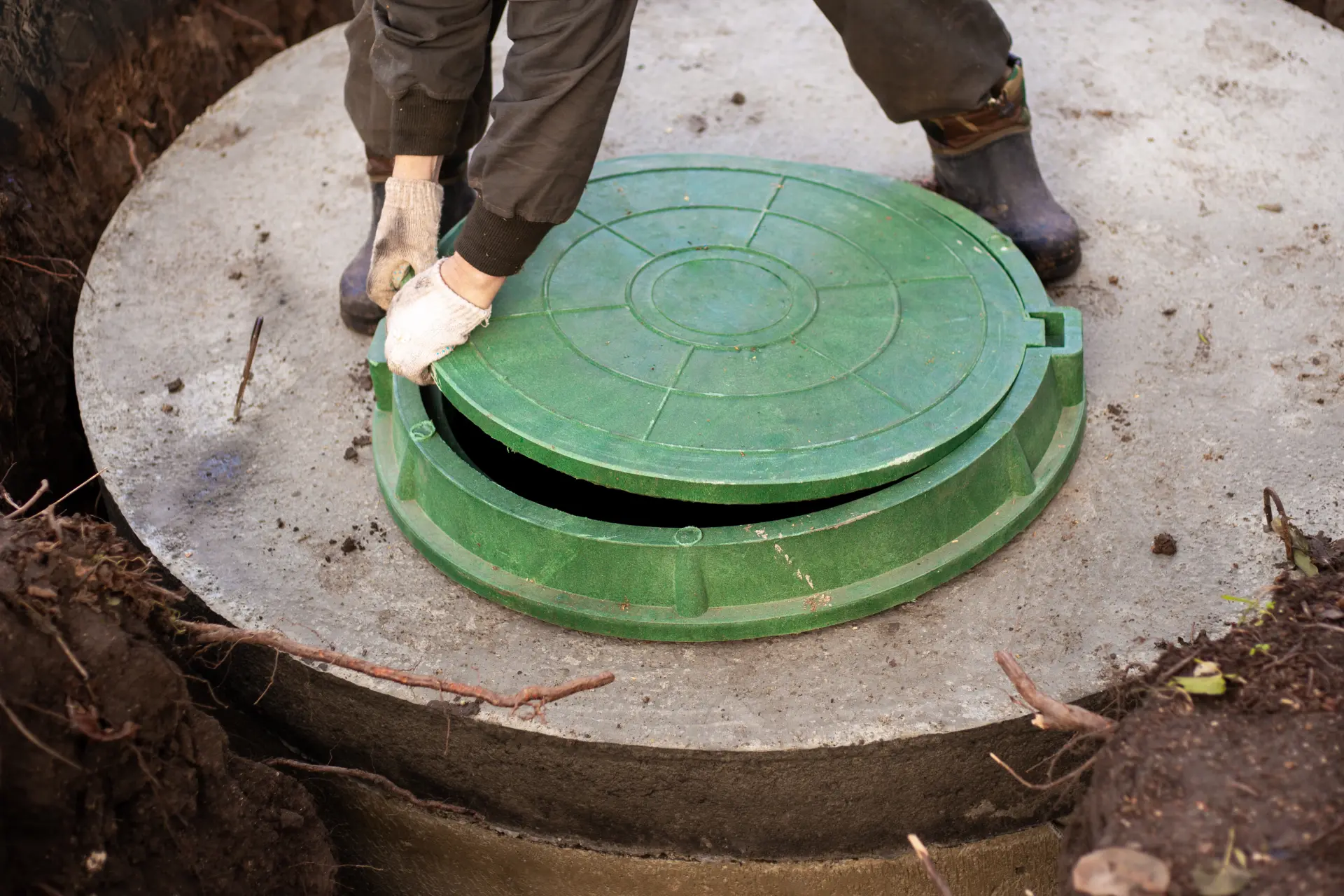
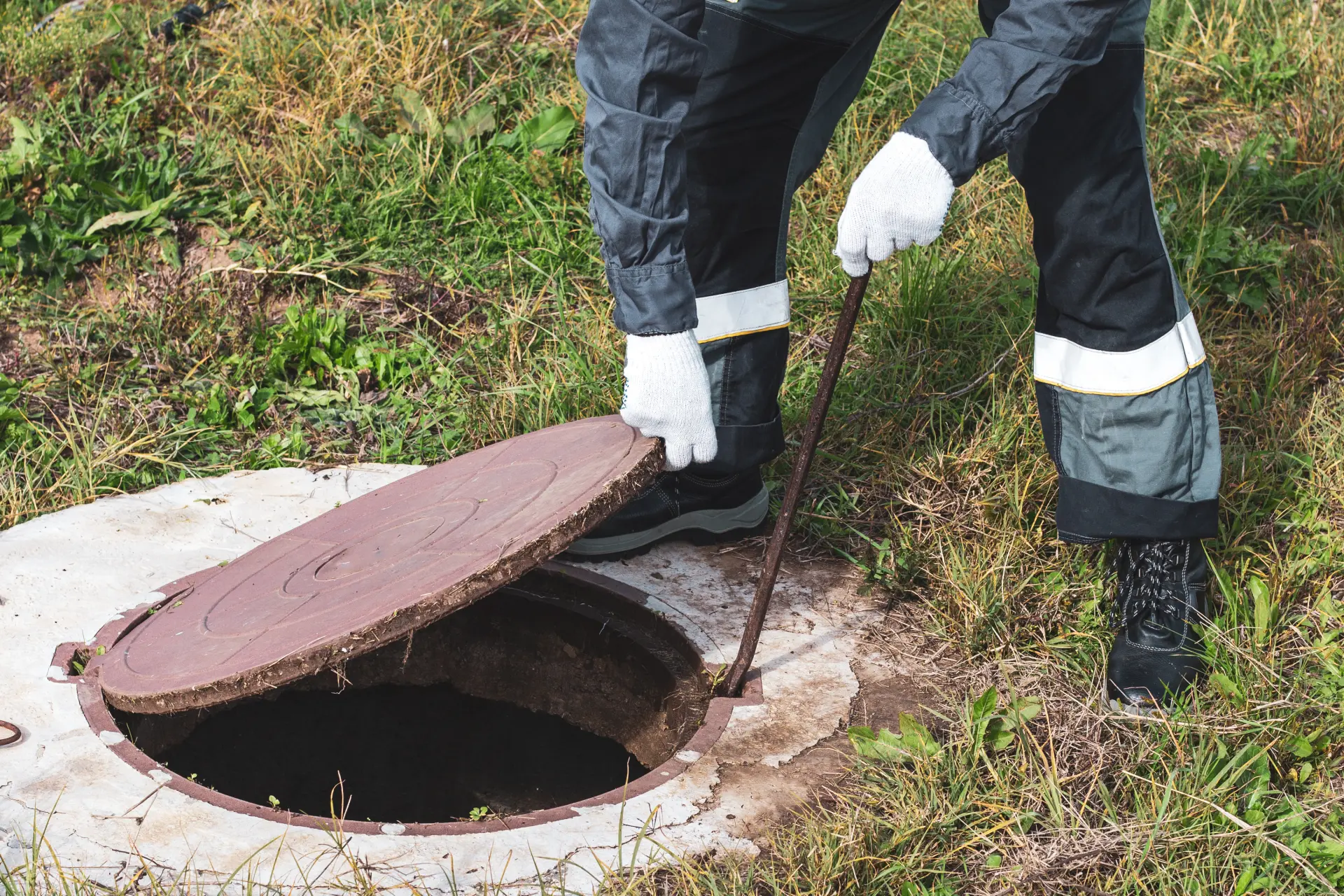
Looking for information about septic tank installation for rural homes? Choose the right tank to suit your land, soil type, and family size for effective and compliant wastewater treatment.
Rural homes often need a reliable wastewater system when they are not connected to mains drainage. A septic tank can be a practical solution to this, but it must be chosen, positioned and installed correctly. Ground conditions, access, drainage field space and general UK rules can all affect the project. This article explains what rural homeowners should know before installing a septic tank and the common challenges that may affect the installation process.
Why Rural Homes Often Need Septic Tanks
Rural homes often need septic tanks because many of them aren't connected to a mains sewer network. Wastewater from toilets, sinks, baths, showers and appliances usually flows into public sewers, but in more remote areas, this connection may not be available because the property might be too far away from the nearest sewer line.
A septic tank is a practical way to manage this wastewater. It collects waste from the property, separates solids from liquids, and allows the liquid waste to move into a suitable drainage field or an approved discharge system. This helps rural homes deal with their wastewater safely without relying on a public sewer connection.
How Septic Tank Systems Work
Septic tanks collect and treat wastewater from properties that aren't connected to a mains sewer. Wastewater from toilets, sinks, showers, baths and appliances flows through the property’s drainage pipes and into the septic tank, and inside the tank, the waste is separated into layers. Heavier solids sink to the bottom to form sludge, and oils, grease and lighter waste rise to the surface to form a layer of scum. The liquid in the middle (called effluent) then leaves the tank and moves into a drainage field or another approved treatment area.
The tank doesn't clean the water on its own; instead, it starts the treatment process by holding back solids and allowing natural bacteria to break down some of the waste. The drainage field then helps finish the process by passing the effluent into the surrounding soil, where natural treatment takes place.
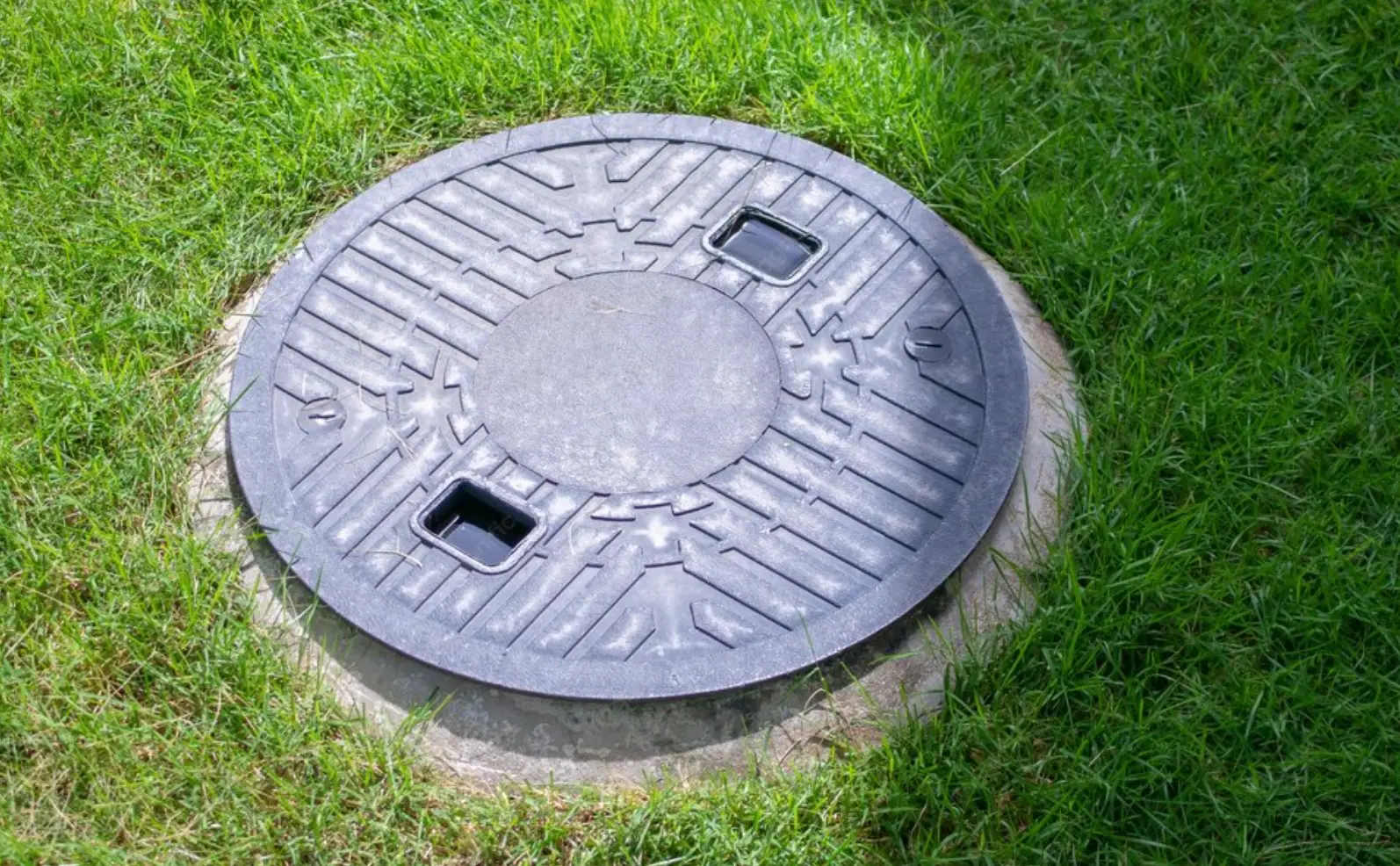
Is a Septic Tank Right for Your Rural Home?
Many rural homes, farms, cottages and converted buildings use septic tanks because either a public sewer connection isn't nearby or it would be too expensive to install one.
One of the first things to check is whether the ground can support a drainage field or not. The soil needs to drain well enough to allow treated waste to soak away safely. This is because heavy clay, wet ground or a high water table can make a standard septic tank system unsuitable without further work.
A professional survey is the best way to confirm whether a septic tank is suitable for your site or not, since a surveyor can check the land, legal requirements, and decide on the right system for your home.
Site Surveys and Ground Checks
Site surveys and ground checks help confirm whether the land is suitable for a septic tank, pipework and drainage field. Without these checks, the system may be placed in the wrong area or fitted in ground that can't drain wastewater away safely.
A site survey looks at the size of the property, the number of people using the system, access for machinery and the distance from buildings, boundaries, wells and watercourses. These details help the installer choose the right tank and position.
Ground checks are just as important, since the installer may need to assess the soil type, water table and drainage ability of the land. Clay soil, very wet ground or a high water table can make a standard drainage field unsuitable. If these issues are found early on, the tank's design can be changed before any work starts. This can save you time and money, as well as reduce the risk of a bad installation, odours, blocked drains, leaks or pollution.
Soil Type and Drainage Conditions
Your soil type and drainage conditions can have a major effect on your septic tank installation. A septic tank doesn't work on its own, since the liquid waste usually needs to pass into a drainage field where it's then treated naturally by the soil. This means the ground must be able to absorb and filter the wastewater safely.
Free-draining soil, such as sandy or loamy soil, can be good for septic tanks because the water can move through it at a steady rate. However, the soil mustn't drain too quickly, since the wastewater still needs time to be treated properly. Heavy clay soil can cause problems because it retains too much water, and it may not allow effluent to soak away. This can lead to pooling, bad smells or system failures.
Ground checks help identify these issues before the installation begins. By testing the soil and drainage conditions early on, installers can choose the right location, tank size and drainage design.
Choosing the Right Septic Tank Size
A septic tank must be large enough to cope with the amount of wastewater a property produces each day, including water from toilets, sinks, showers, baths, washing machines and dishwashers. The size of the tank is usually based on the number of bedrooms or the number of people living in the home.
A small tank may seem cheaper at first, but it can quickly become overloaded, and when this happens, solids may not settle properly, and waste can move into the drainage field. This can lead to blockages, bad smells, slow drainage and expensive repairs. A tank that's too large can also cause issues, since it may need a bigger excavation area, more materials and more time to install.
For rural homes, getting the tank's size right is extremely important because your drainage options may be limited. The system also needs to suit the soil type, water use and the available land.
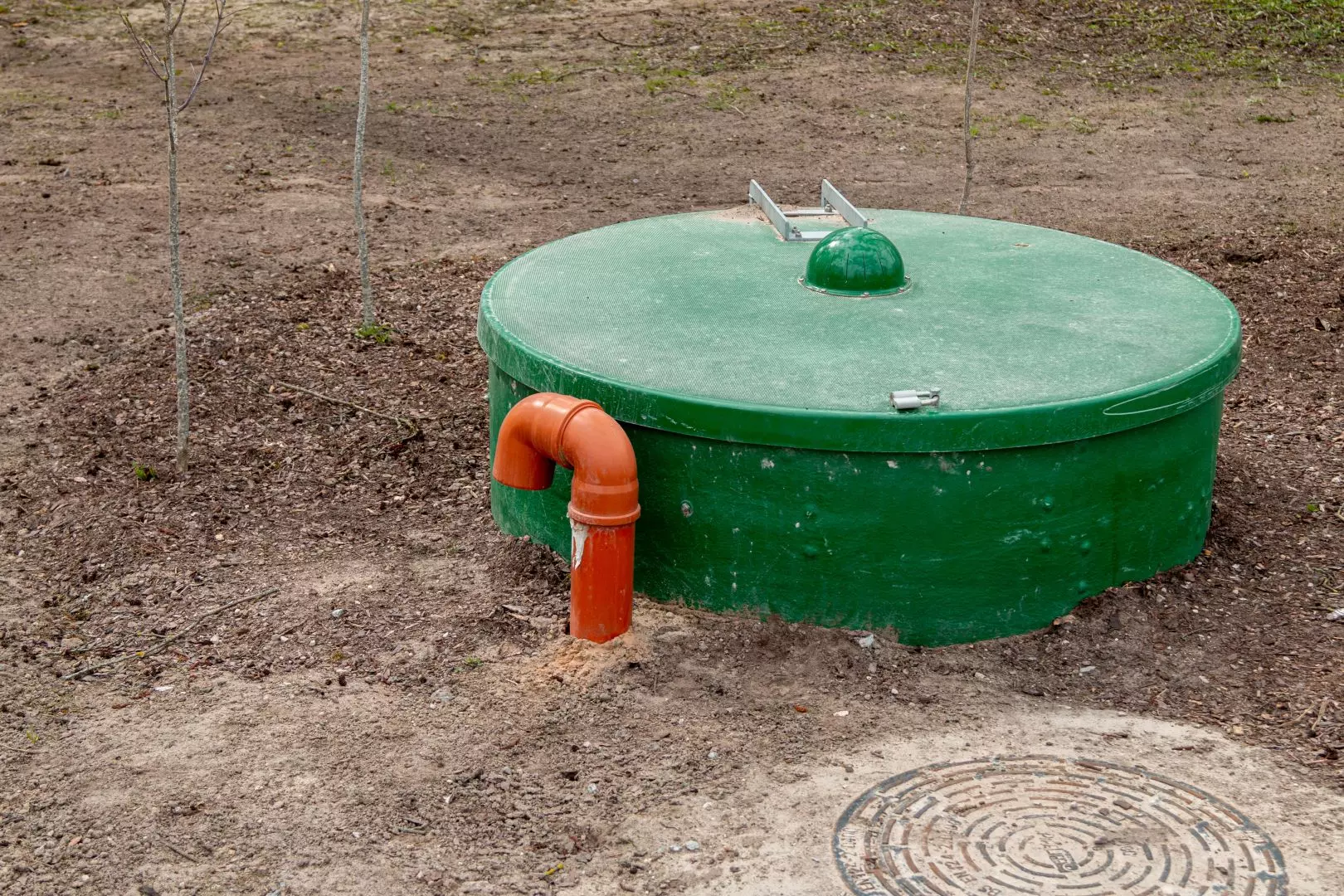
Septic Tank Installation Rules in the UK
Many rural properties aren't connected to mains drainage, so wastewater must be treated safely on-site. In the UK, septic tanks and small sewage treatment plants must follow the Environment Agency’s general binding rules, and these rules include how much wastewater can be discharged each day, and how the tank is installed and maintained.
Building regulations approval and planning permission may also be needed in some cases. One key rule is that septic tanks should not discharge directly into rivers, streams, ditches or other surface water; instead, wastewater must pass into a suitable drainage field, where the ground can treat it safely. The system also needs to be placed away from water sources, buildings and boundaries.
Planning Permission and Building Regulations
Planning permission and building regulations are important because they help make sure the septic system is safe, legal and suitable for the property. Rural homes often rely on private drainage, so a poor installation can affect the home, nearby land and local water sources.
Planning permission may be needed if the installation is linked to a new build, a major change to the property, or if the tank is near a protected area. It may also be needed if the tank or drainage field could affect any nearby watercourses, neighbours or the local environment.
Building regulations are also important because they set the standard for drainage, pipework, access and wastewater treatment projects. The system must be installed so that it can handle the property’s wastewater safely, and it also needs to be placed correctly, with suitable access for maintenance and emptying.
Ignoring these rules can lead to serious problems such as enforcement action, failed inspections, pollution risks, or expensive changes after the work has already been completed.
Drainage Field Requirements
A septic tank separates solids from liquid waste, but the liquid still needs to be treated after it leaves the tank. In many cases, this is done through a drainage field, because the wastewater can spread into the ground. However, the drainage field must be suitable for the property and the land. The soil needs to drain well enough to absorb the liquid, but it shouldn't absorb it too quickly, otherwise it'll pass through without being treated. In this case, waterlogged or clay-based ground may not be suitable for a standard drainage field.
The size of the drainage field also depends on the amount of wastewater that's produced by the home and the results of ground tests. A poor drainage field can cause issues like flooding, bad smells and pollution, as well as lead to legal problems and expensive repairs.
Access for Installation Equipment
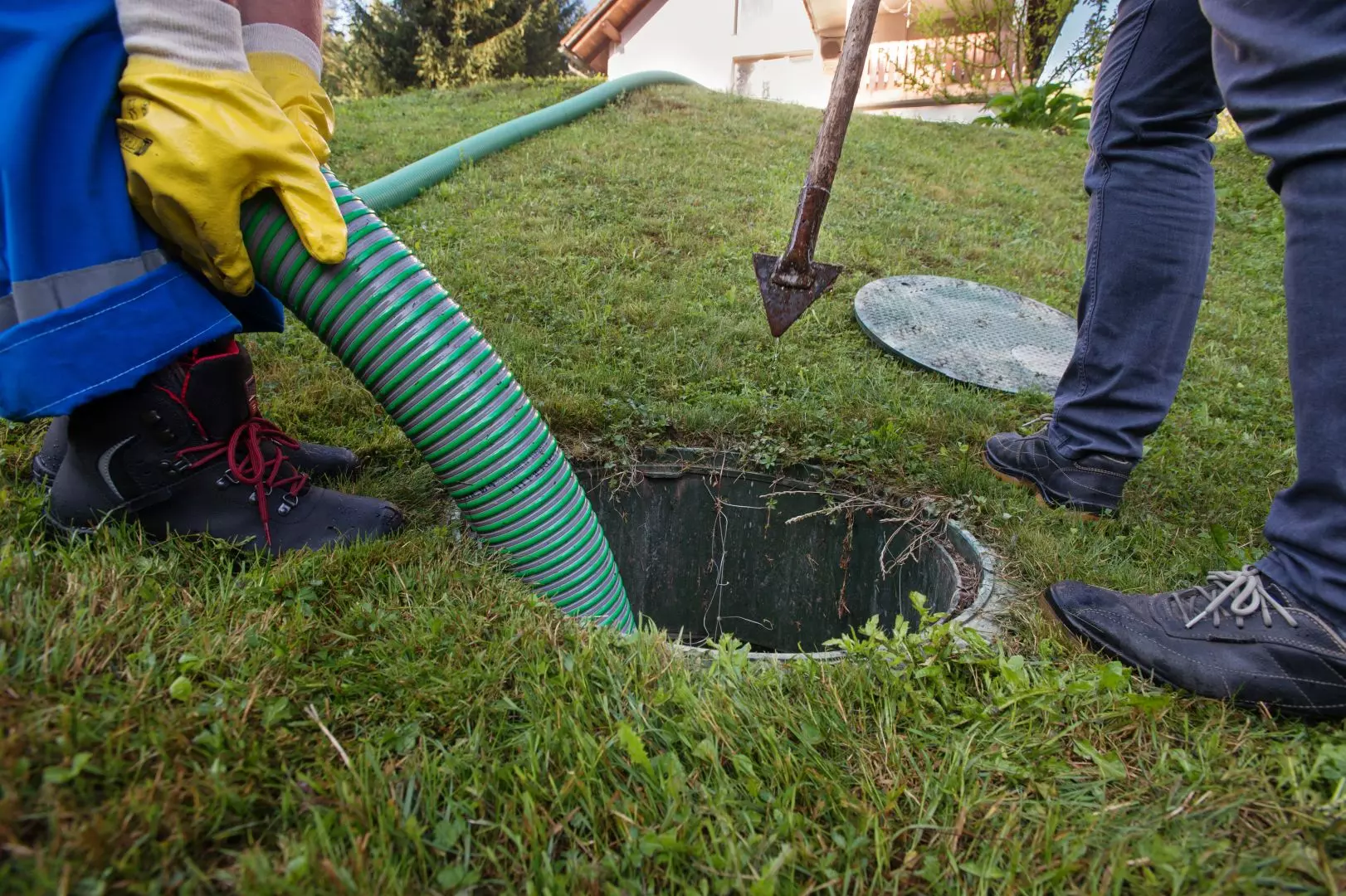
Septic tank installers often use machinery such as diggers, lifting equipment and delivery vehicles to excavate the ground, move soil, lower the tank into place and create trenches for pipework or a drainage field. Many rural homes have narrow lanes, uneven tracks, soft ground, gates, walls, trees or steep slopes, which can make it harder for the machinery to reach the work area.
If there's limited access, the installer may need to use smaller equipment, carry out more work by hand, or create a temporary access route, which can also add time and increase the cost of the installation. Clear routes can protect your lawn, driveway and fences, and they allow the installer to work safely on-site, especially if they're moving a heavy tank or excavating large areas of land.
Distance from Buildings, Boundaries and Water Sources
Septic tanks and drainage fields must be placed where they can work safely without causing damage, pollution or problems for nearby land. Placing a tank or drainage field too close to neighbouring land can cause issues if the wastewater spreads in the wrong direction or if future maintenance providers can't access the tank.
Septic tanks and drainage fields also need to be kept away from wells, boreholes, streams, rivers, ponds and ditches since it stops the untreated or poorly-treated wastewater from reaching drinking water or natural watercourses. Getting the distance right helps the system meet UK rules. A professional site survey can help you find the safest location before the installation begins; this reduces the risk of failed inspections, pollution, complaints and design changes later on.
Common Challenges with Rural Installations
One common issue with a rural septic tank installation is poor access. Narrow lanes, soft ground, steep slopes, gates, trees or walls can make it harder for diggers, delivery vehicles and lifting equipment to reach the site. Your ground conditions can also cause problems, too, since heavy clay, rocky soil, and generally wet land can slow down the excavation stage and may affect whether a drainage field will work properly.
Distance is another challenge to overcome. Rural homes may have limited space for a tank and drainage field, especially if there are nearby buildings, boundaries, wells, boreholes, streams or ditches. The system must be placed safely to reduce the risk of pollution and future faults. Hidden services, old drainage systems and tree roots can also cause delays, and heavy rain or frozen ground can make the site unsafe.
Drain & Septic Solutions Derby provides reliable septic tank installation services for homes and properties across Derby, Nottingham and Leicester. From site checks to tank fitting, pipework and final testing, we ensure each system is installed safely and correctly.