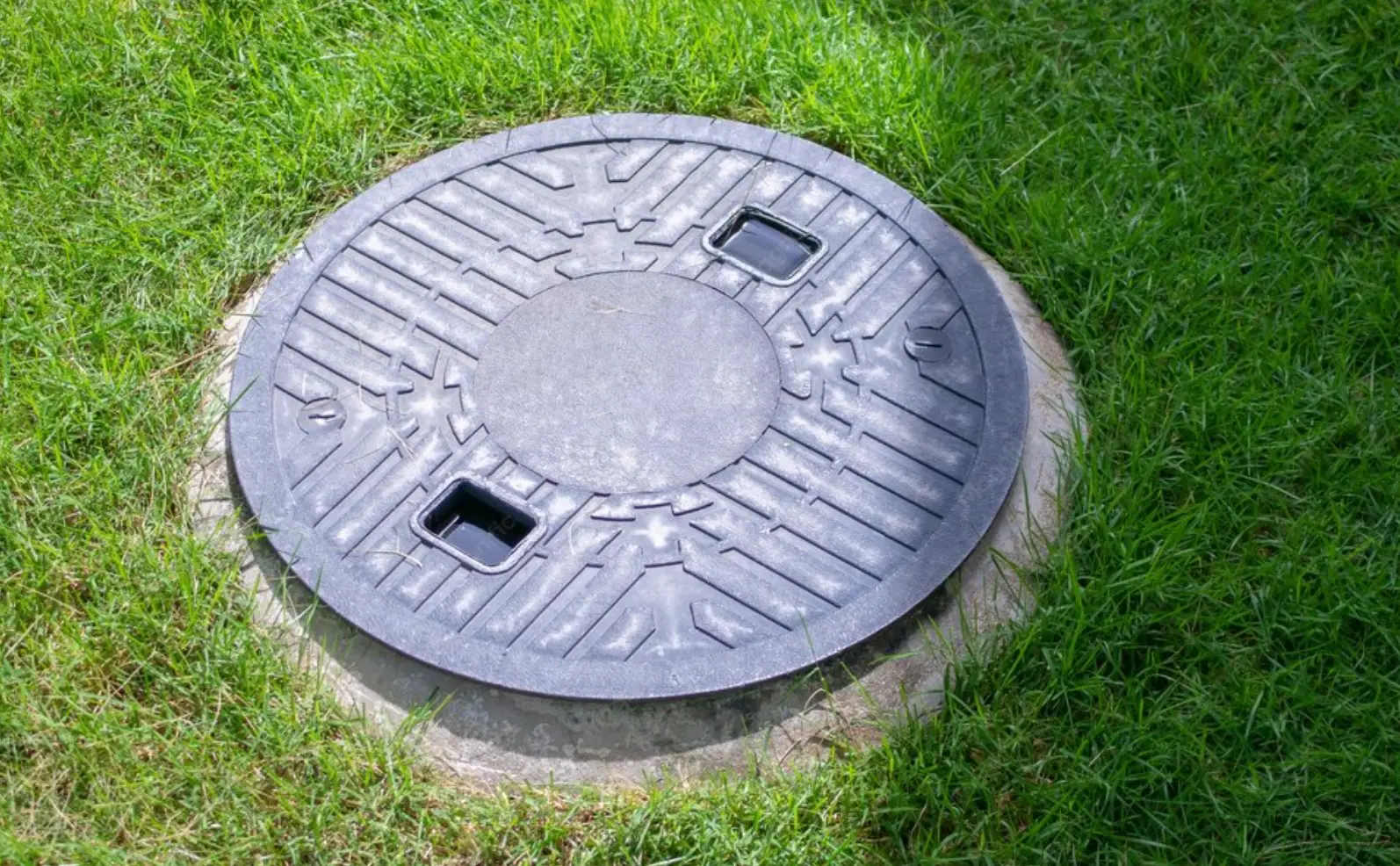
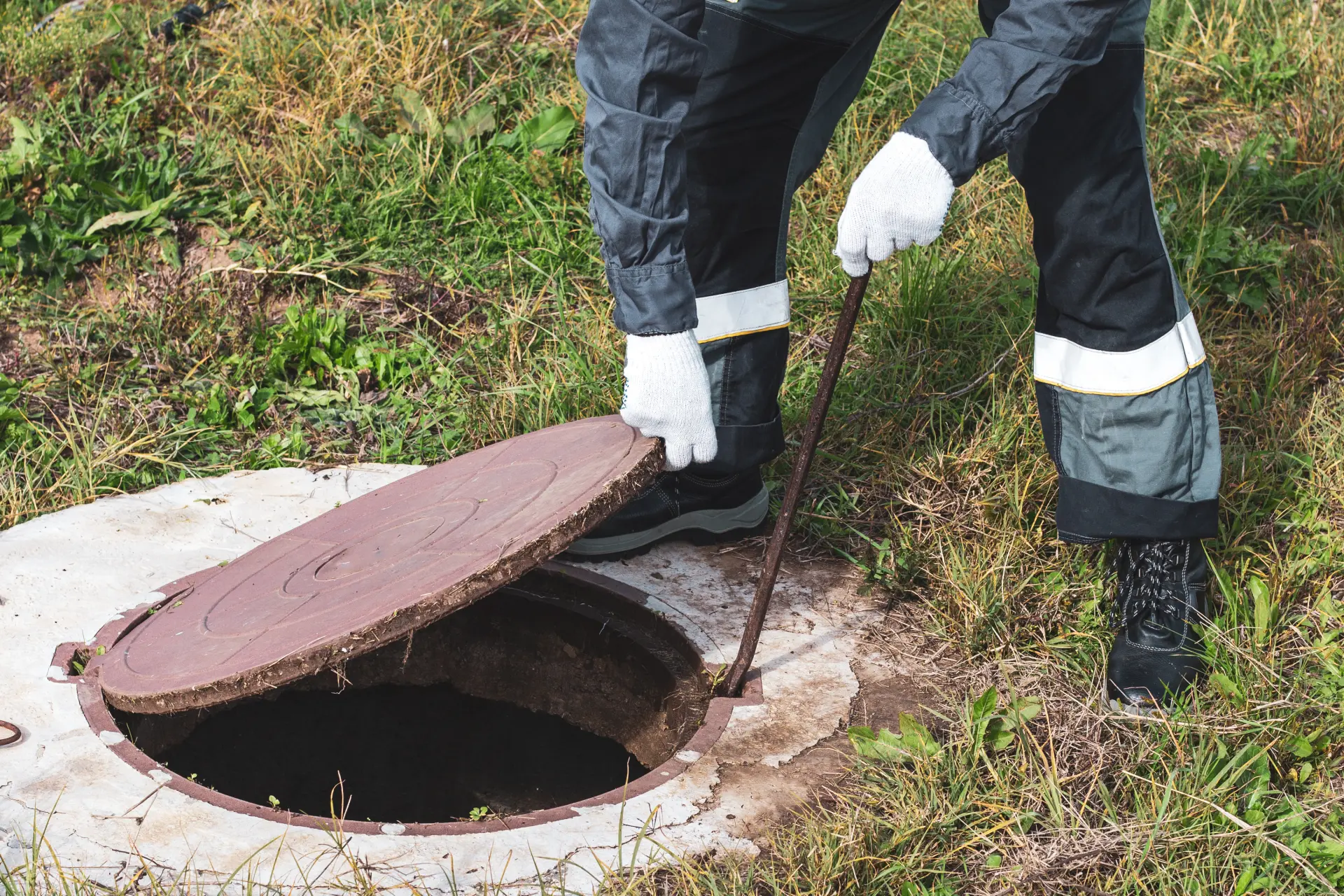
Get clear insights on septic tank installation costs, including tank options, site requirements, and legal permits to ensure you budget accordingly.
Tank size and home size
Larger septic tanks generally cost more to install since they need more excavation work, more materials, and sometimes different equipment and approvals, which can all increase the overall price.
A bigger septic tank or treatment plant uses more materials, so the supply cost increases from model to model. The size of the tank also affects the delivery time and handling since heavier or bulkier tanks may need specialist transport, lifting gear or a larger crew on site.
Septic tanks that discharge to a drainage field typically require more trench length and distribution pipework, more aggregate, and a larger footprint, which can increase the labour and material costs. Installing package treatment plants can also lead to added electrical upgrade costs due to the larger blowers/pumps and noise mitigation or control panel changes.
Tank types and materials
A basic septic tank (primary settlement) is usually cheaper to buy and install than a package treatment plant (aerated secondary treatment). However, septic tanks must discharge wastewater to a suitable drainage field with suitable soil conditions.
If the drainage is poor or if the site is constrained, you may be forced to install a treatment plant or even a cesspool/holding tank instead.
Treatment plants generally cost more to install, but they can reduce your drainage field size, and they are the only way to discharge the waste into surface water. Cesspools are often cheaper to install, but they have high ongoing tanker costs since they need to be emptied frequently.
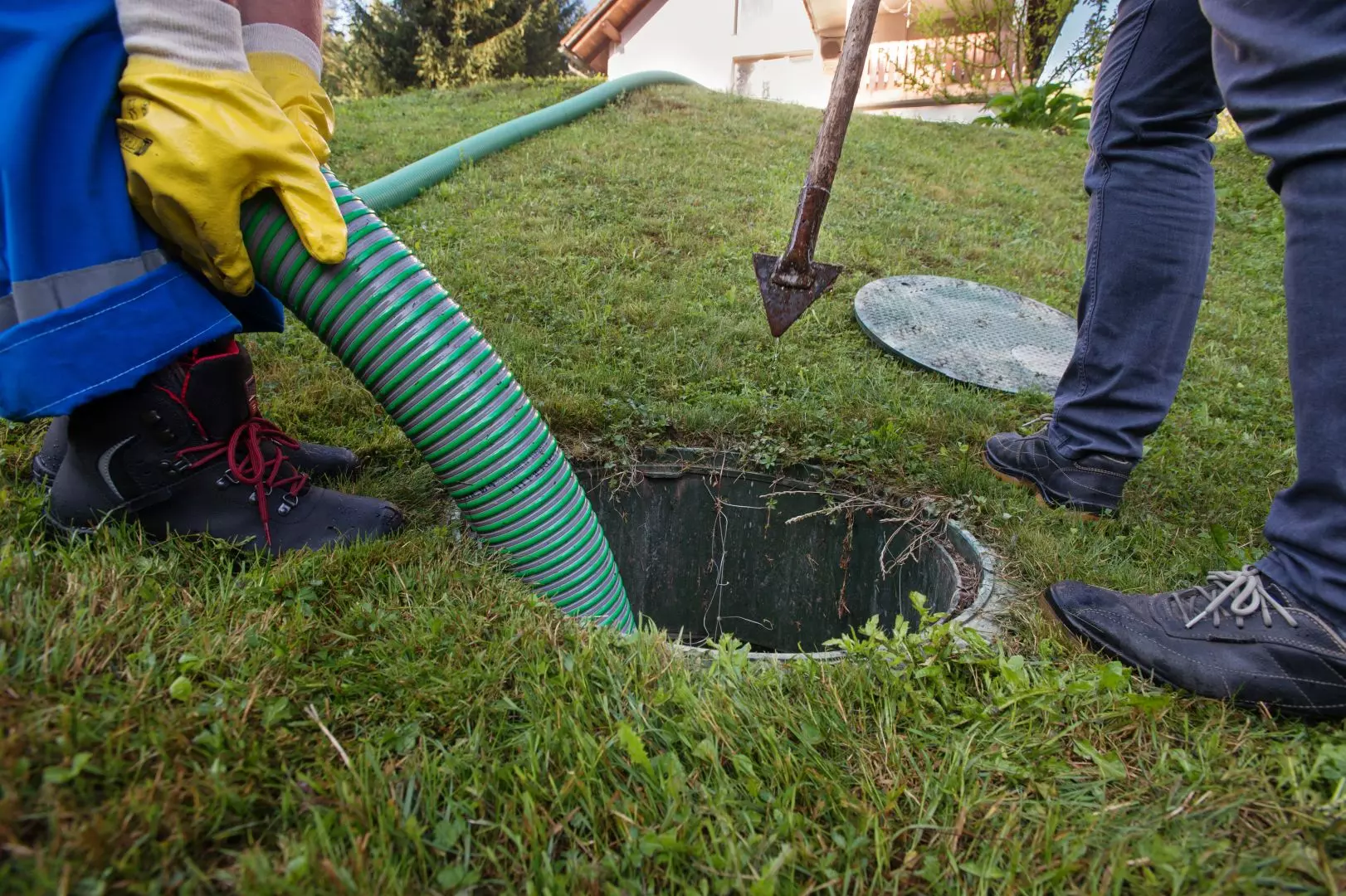
Polyethene (plastic) tanks are typically the cheapest to install and handle. However, they rely on the correct granular backfill and anti-floatation measures such as anchors or concrete collars in high-water areas. These extra measures can increase the installation price, especially in areas that are prone to high groundwater.
GRP/fibreglass is sturdier than plastic, and the supply price is often higher than basic plastic tanks, but the installation time is often the same. Therefore, the installation cost of a GRP tank often matches the cost of installing a polyethene tank.
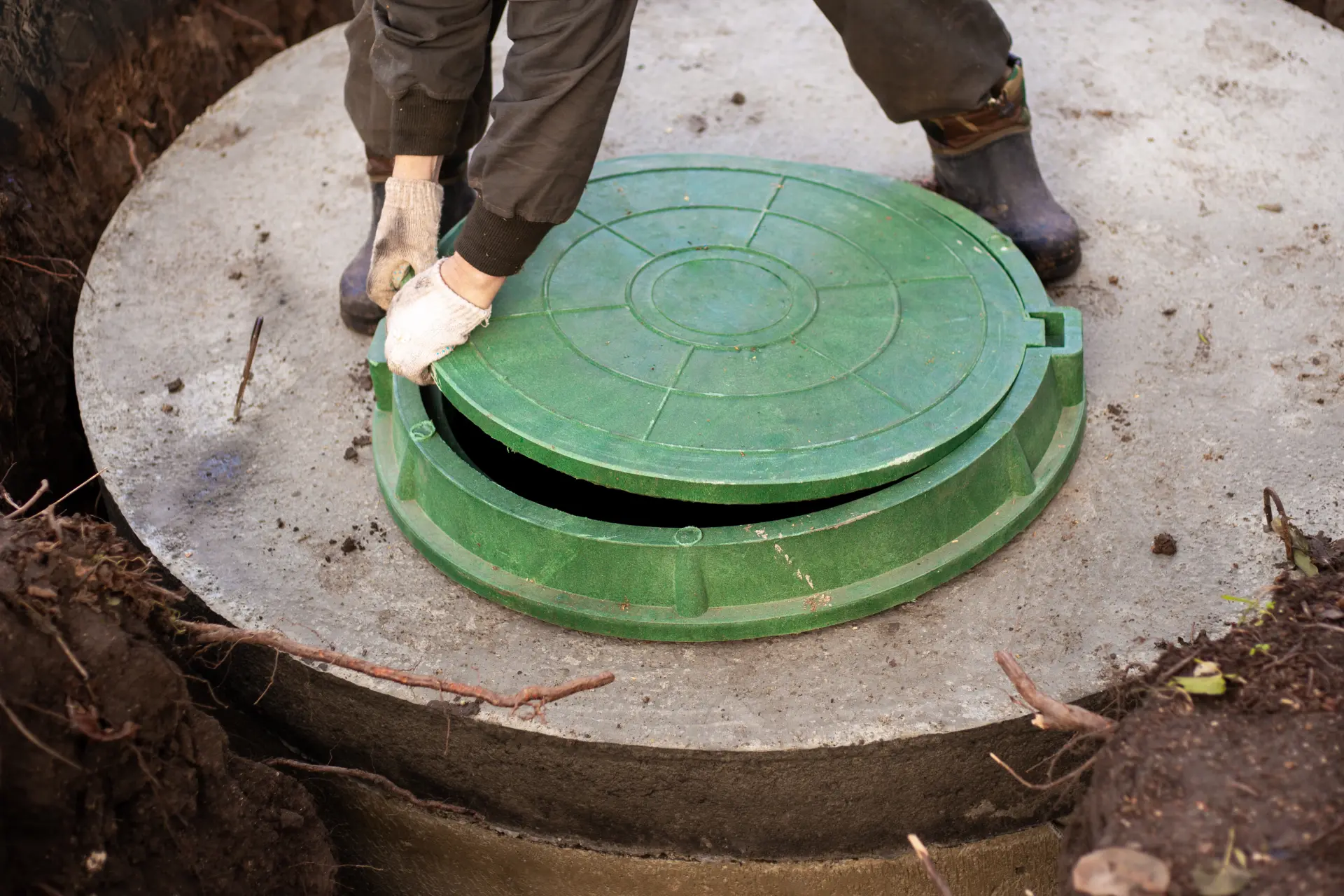
Concrete tanks are more expensive to supply and install since they often need excavation work, cranes and extra labour. However, the weight of the tank removes the need for anti-buoyancy measures, making it sturdier and more resilient compared to GRP or plastic tanks.
Removing an old system
Removing an existing septic tank generally affects the total cost of a new installation, depending on the tank's condition, size and location.
Decommissioning an old tank typically involves pumping out the tank, jet-washing it, neutralising any residues, perforating the shell, and backfilling the tank with granular material to prevent it from collapsing. Decommissioning the tank also helps you avoid large excavations and muck-away charges, so it’s usually cheaper and quicker, especially for heavy concrete tanks. However, a full removal service will add extra costs since the ground will need to be excavated and landscaped.
The waste handling and compliance aspects of a tank removal service can also increase your costs, since the sludge must be removed by a licensed carrier (with a waste transfer note), and any broken tank materials, contaminated soil, and pipework also need to be properly disposed of.
Rules, permits and surveys
Rules, permits and surveys can all impact the overall cost of a septic tank installation in the UK. They can determine what you’re allowed to build, where it can go, and how complex the design and sign-off process will be.
In England, many domestic septic tank systems fall under the Environment Agency’s General Binding Rules (GBR) if they meet strict site and flow limits. If you don’t qualify for GBR, you may need to obtain an environmental permit, which can add to your application fee and design time.
Additionally, Building Regulations (Part H) compliance and, in some cases, planning permission can also influence the cost of your tank installation.
Planning permission may be needed depending on whether the tank is near any protected habitats, and if you're in a protected area, you may also need an arboricultural, ecological or heritage survey, which can increase your costs even more.
Site surveys are where most hidden costs often emerge. Percolation tests and trial pits are essential to measure the drainage field correctly and prove whether your soil is suitable for a septic tank installation. If your soil quality is poor, you may need to upgrade to a package treatment plant, which often costs more to install due to the added flow systems.
For complex sites, regulators may ask for a hydrogeological risk assessment, nitrate/phosphate considerations, Source Protection Zone (SPZ) checks, or a SuDS (Sustainable Drainage Systems) compatibility test. Each of these surveys can impact your installation costs due to the added labour time and constraints.
At Drain & Septic Solutions Derby, we can supply and install a range of certified septic tanks and treatment plants across Derby, Nottingham and Leicester. We can handle everything from percolation testing and sizing to groundwork and drainage fields. We aim to install compliant septic tank systems that handle your wastewater properly.