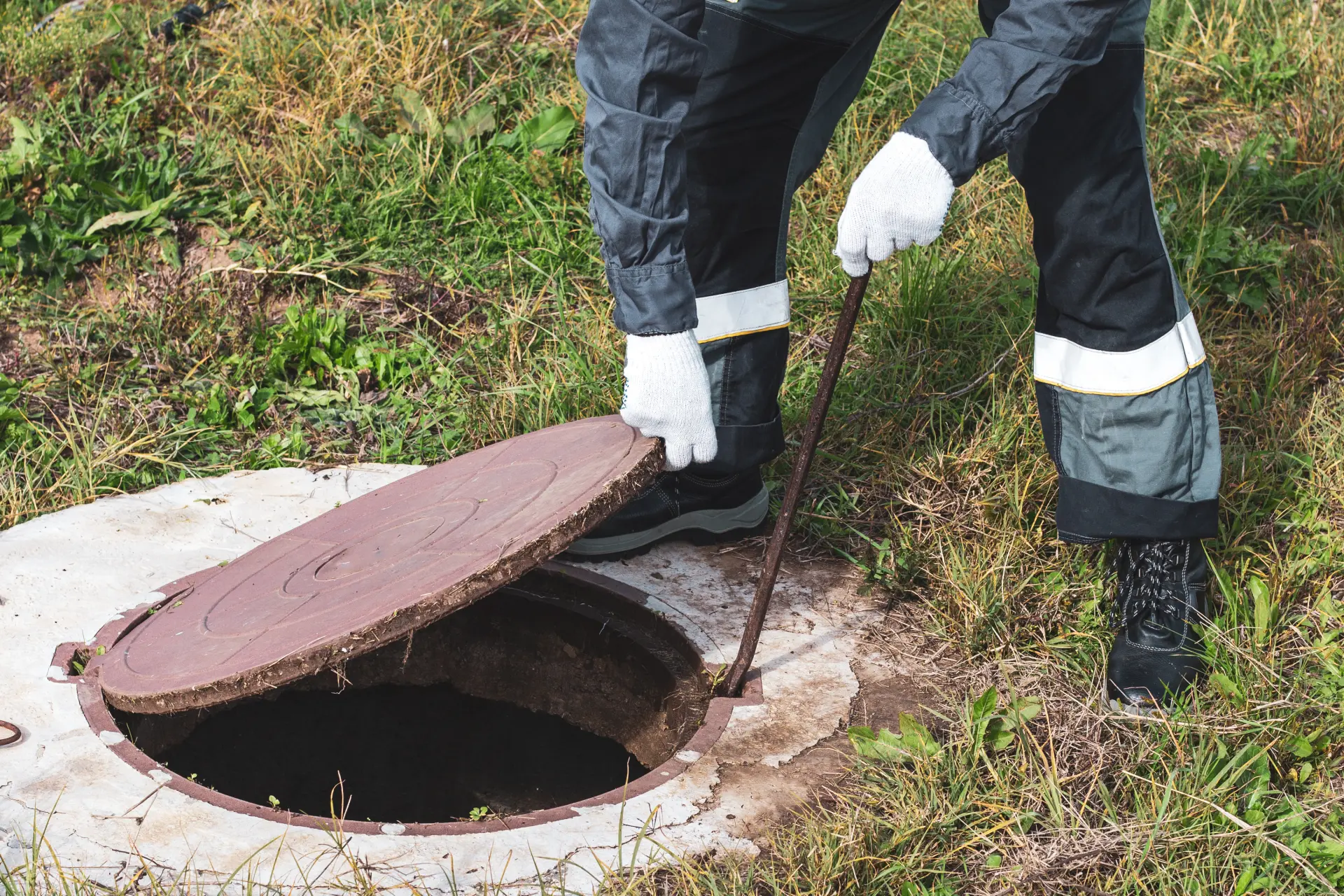
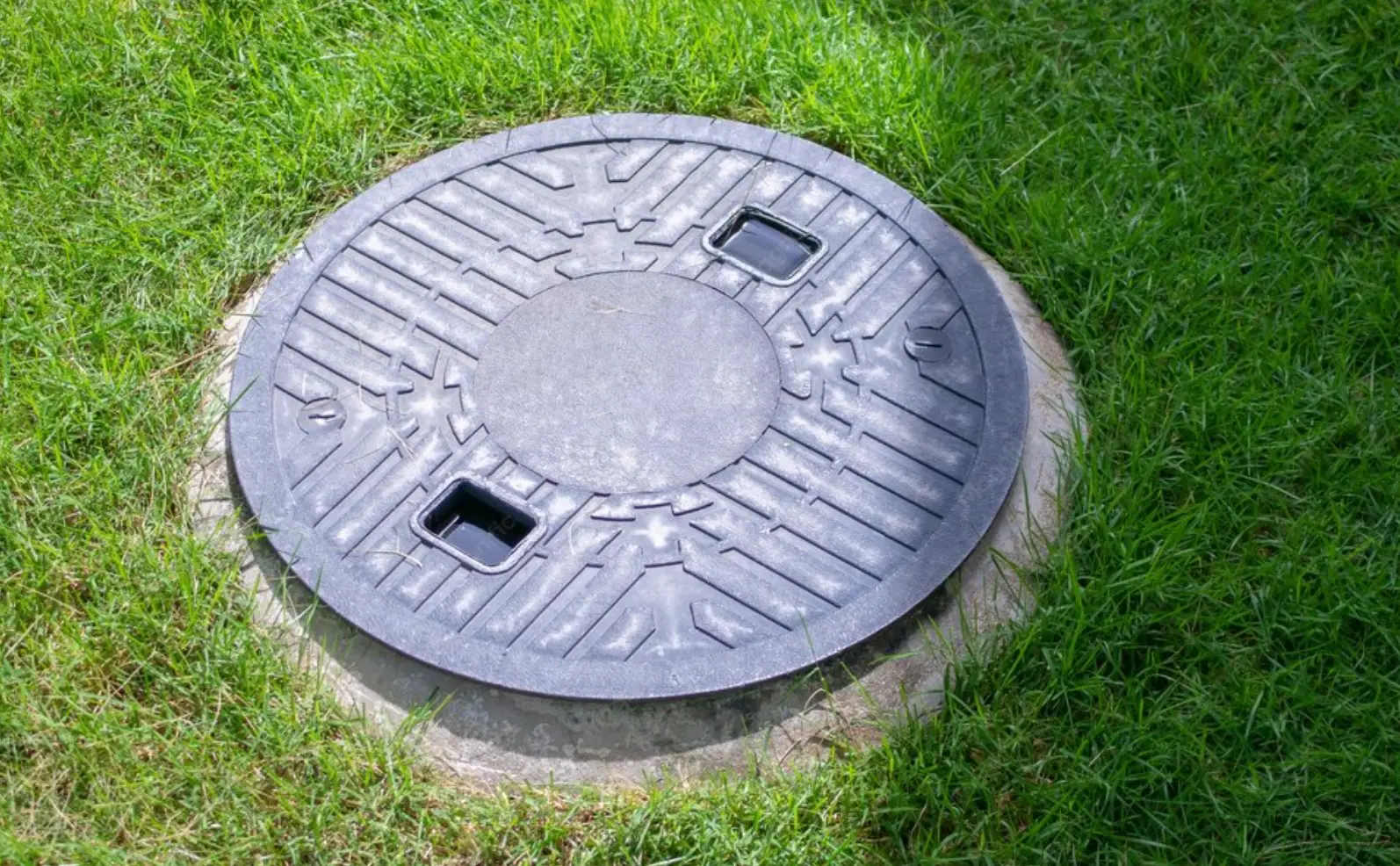
Need to know how long a septic tank installation takes? Installing a septic tank is a major project, so it's normal to want to know how long the work will take. The timescale can vary depending on the site, the tank, the ground and any drainage field work that's needed. While the physical installation may only take a few days to do, planning and preparation can add extra time.
What Is the Average Time for Septic Tank Installation?
A septic tank installation usually takes around three to seven days to complete. However, the full process can take much longer when you factor in things like planning, surveys, permissions, design work and ground checks. In many cases, the preparation stage can take several weeks before the actual installation starts.
How long the installation takes also depends on the size of the tank, the type of ground that's being excavated, and whether a drainage field is needed. A simple tank installation on clear, level ground can be done in a few days, whereas a more complex installation, such as one that's done on sloped land, clay soil, or a site with poor access, can take longer.
What Can Affect the Installation Timeline?
The time it takes to install a septic tank can vary depending on the site, the system being fitted and the amount of preparation work that's needed. While many installations can take around three to seven days on site, several factors can make the process shorter or longer, and one of these factors is the condition of the ground.
Soft, wet, rocky or clay-heavy soil can slow down the excavation process, and extra support or drainage work may be needed. The size of the tank also matters, too, since larger systems usually need more digging, more pipework and more time to fit in place.
Planning and legal requirements can also impact the timeline before the installation even starts, and this is because building regulations approval, Environment Agency rules, soil testing and drainage field checks may all be needed. These steps help ensure the system is safe and suitable for the property.
Site Survey and Planning
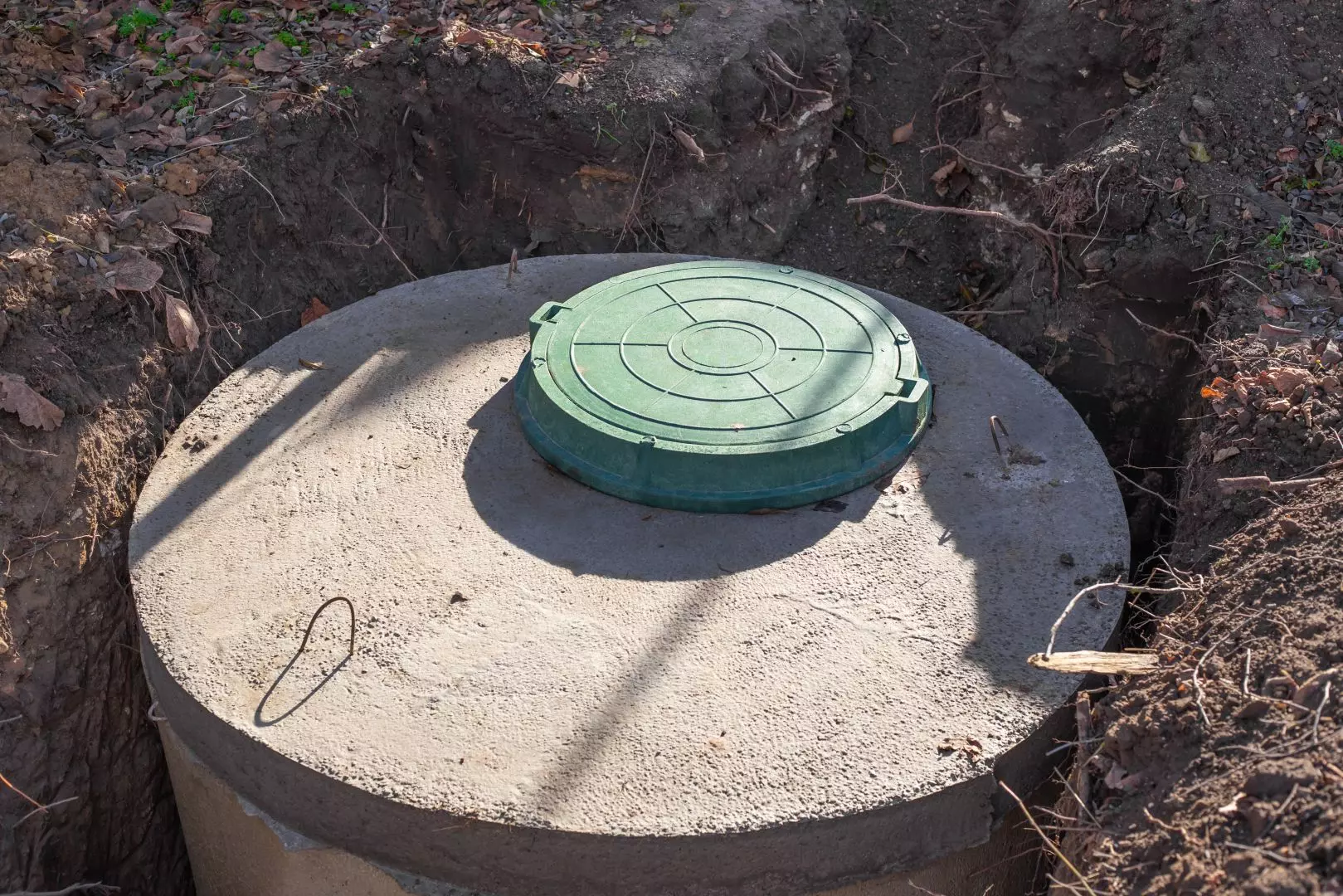
Site surveys and planning can have a big impact on how long it takes to install a septic tank in the UK. Before any digging starts, the installer needs to understand the landscape, the property and the drainage needs of the site. This stage can add time to the project, but it helps prevent problems once the work begins.
A site survey is done to check the size of the property, the number of people using the system and the tank's distance from property boundaries, watercourses and wells. The installer may also need to look at the ground type and water table, too. If the soil is too wet, too compacted or doesn't drain well, extra checks may be needed before a system can be installed.
Getting Permits and Approvals
A septic tank handles wastewater, so it must be installed safely and in line with current rules and regulations to protect your property, nearby land, watercourses and neighbouring homes. In many cases, the homeowner or installer may need to check their local building regulations, planning rules and environmental requirements.
If the system discharges to a drainage field, the ground may need to be tested to show that it can drain wastewater away safely. If the site is close to a river, stream, ditch, borehole or protected area, further checks may be needed. These steps can take time, especially if extra information, drawings or changes to the design are requested.
Approvals can also delay the installation process if the application needs to be reviewed by the local authority or a relevant environmental body. However, this timescale can vary depending on the area, the site and how busy the offices are. Missing details can also slow things down, since the application may need to be corrected and sent again.
Choosing the Right Septic Tank
Choosing the right septic tank is important because it affects how well the system works and how long the installation takes. The tank needs to suit the size of your property, the number of people using it and the amount of wastewater that's produced each day. If the tank is too small, it may fill up too quickly and cause drainage problems, and if it's too big, it may cost more and take longer to fit.
The type of tank you want can also change the installation timeline. Some septic tanks are easy to place and connect, while larger or more advanced systems may need deeper excavation, stronger foundations or extra pipework added. The material of the tank also matters, since plastic, concrete and glass reinforced plastic tanks all need different handling, lifting equipment and bedding materials.
Choosing the wrong tank can lead to delays since the installer may need to change the design, order a different tank or carry out extra ground preparation, which can push back the start date or increase the number of days spent on site.
Ground Conditions and Access
Ground conditions and access can have a major impact on how long it takes to install a septic tank, and this is because, before the tank can be fitted, the ground must be dug out, prepared and made safe. If the soil is firm, stable and easy to work with, the excavation stage can be done quickly. However, if the ground is rocky, heavy with clay, wet or unstable, the work can take longer.
Poor drainage or a high water table can also slow down the process since the installer may need extra checks, stronger support, or a different design to make sure the tank and drainage field work correctly. In some cases, any wet ground may need to dry out before the work can continue safely, which can add time, especially after heavy rainfall.
Access is another factor that can impact the installation time. Large machinery is often needed to dig the hole, move soil and lower the tank into place, so if the site has wide, clear access, this job is usually easy to complete. On the other hand, narrow driveways, fences, walls, trees, steep slopes or soft lawns can make it harder to reach the installation area, and when there's limited access, smaller equipment or more manual labour may be needed.
Excavation and Groundworks
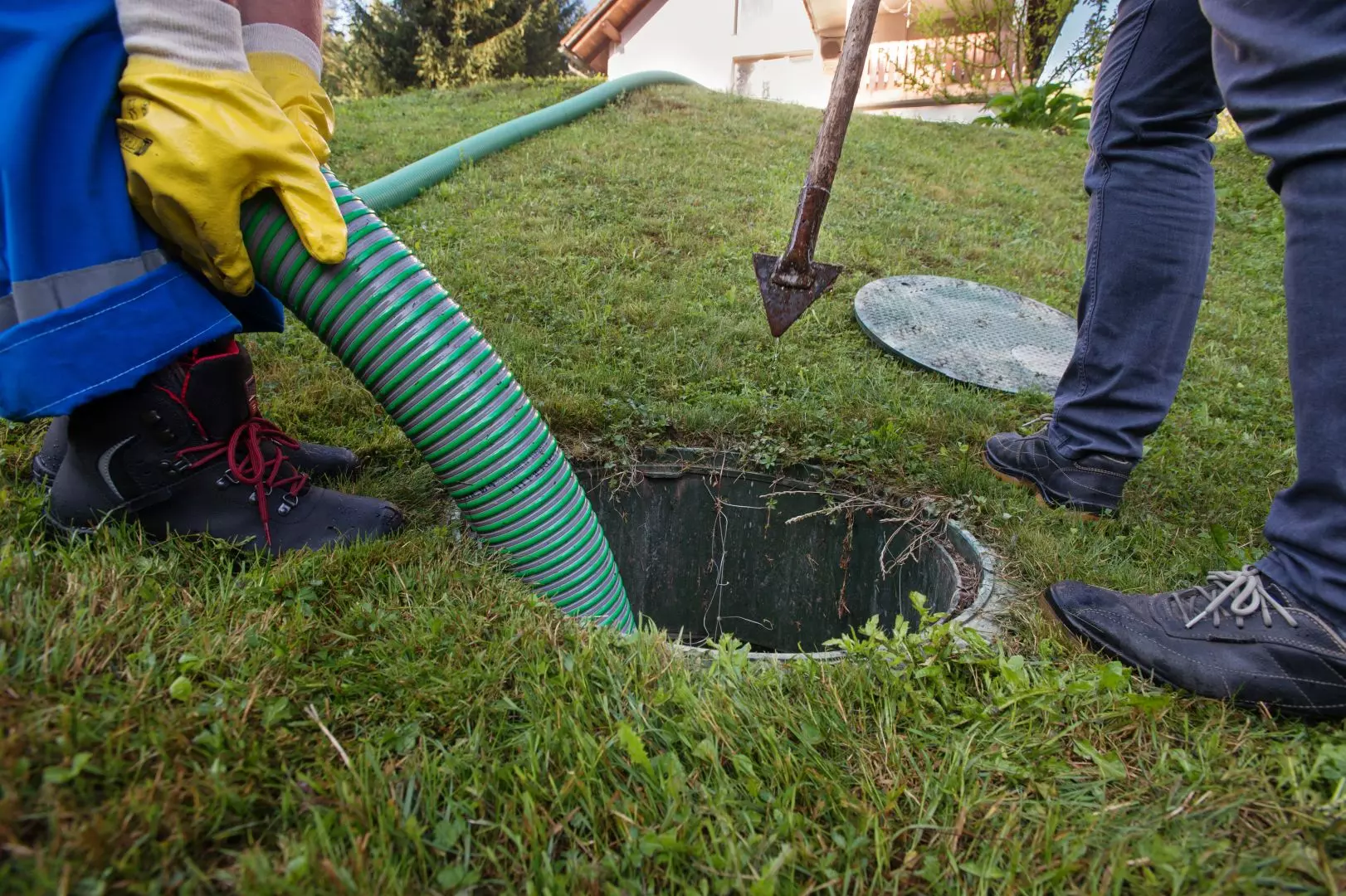
Excavation and groundworks can have a strong impact on how long it takes to install a septic tank. The excavation stage involves digging the hole for the tank, preparing the base, creating trenches for pipework and forming the drainage field (if the tank needs one). If the ground is clear, level and easy to dig, the work can be done quickly. However, if the site is difficult, the process can take much longer to complete.
Clay, rock, rubble or wet ground can slow down the excavation process because it can be harder to remove and may need extra care. Unstable ground may also need extra support to stop the sides of the hole from collapsing. This can add time, but it's important for the project's safety.
The groundworks can also be delayed if hidden pipes, cables, tree roots or old drainage systems are found during the excavation phase. These features may need to be protected, moved or worked around carefully, and if the tank needs a large drainage field, more trenches and soil testing may be required.
Installing the Septic Tank
A septic tank installation typically takes roughly three to seven days to complete. The first part of the job is the excavation phase. During this stage, the installer will dig a suitable hole for the tank, along with trenches for the inlet and outlet pipework. This can take a day or more to do, depending on the ground conditions and the size of the system.
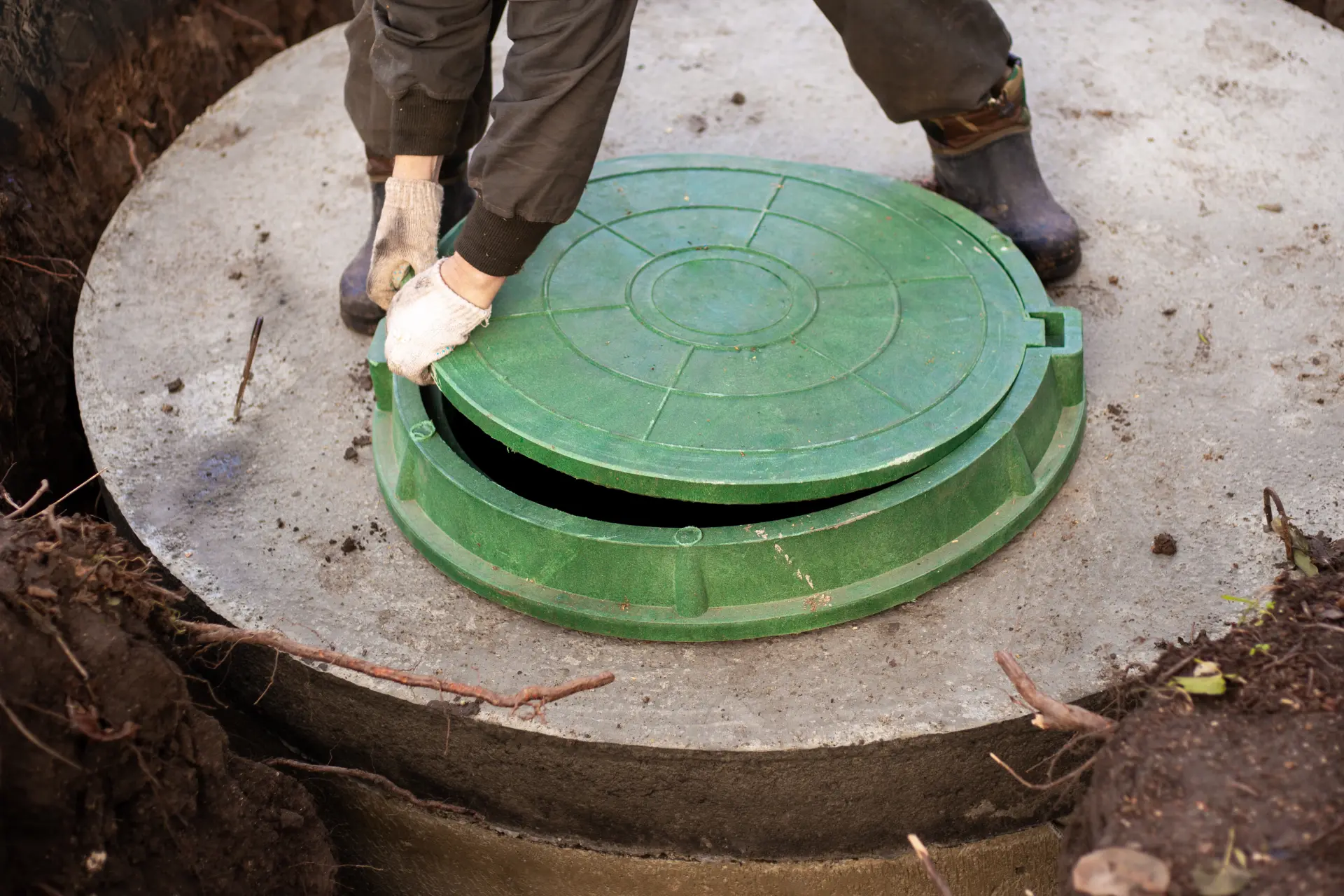
Once the excavation is done, the base is then prepared so the tank can sit level and secure. The tank is then lowered into place, connected to the pipework and inspected to make sure everything lines up correctly. This part of the job can be completed fairly quickly as long as there's good access.
The next stage can involve installing the drainage field or soakaway system, which can add extra time because more trenches are needed. After this, the system is then tested to check that wastewater flows away properly.
Drainage Field Installation
Installing a drainage field usually takes one to three days, depending on the size of the system and the ground conditions. It can take longer if the property needs a large drainage area, if the soil is difficult to dig, or if the site has poor access for machinery.
A drainage field is an important part of many septic tank systems because it allows treated waste to spread safely into the ground. To install it, the contractor will usually dig a network of trenches, lay suitable pipework, add clean stone or gravel, and cover the area with the right materials. The layout must be carefully planned so the wastewater can drain evenly and safely.
Connecting the System to the Property
A septic tank must be linked to the property’s wastewater pipes so that water from the toilets, sinks, showers and appliances flows into the system correctly. If the existing pipework is easy to reach and is in good condition, this stage can usually be completed pretty fast. However, delays can happen if the current drainage pipes are old, damaged, blocked or poorly placed.
The pipework also needs to slope gently towards the tank, so if the slope is wrong, the wastewater may not move properly, and blockages could start to appear. The distance between the property and the septic tank can also affect the time it takes to complete; this is because a longer pipe run means that more digging, more materials and more checks are needed.
Testing the System
Testing a septic tank system during an installation usually takes a few hours, although it can take longer if any faults are found. This stage is normally carried out after the tank has been positioned, connected and linked to the drainage field or discharge point. The aim of testing the tank is to make sure the system works safely before the ground is backfilled and finished.
Testing the tank can affect the overall timescale because any issue that's found at this point may need to be fixed before the work can continue. For example, if a pipe hasn't been laid at the correct slope, it may need to be adjusted, and if a joint is leaking, it may need to be resealed or replaced. These repairs can add extra time to the project.
Final Checks and Sign-Off
The final checks and sign-off during a septic tank installation only take a few hours, but this can vary depending on the site and the system. This stage is completed after the tank, pipework and drainage field have been installed and tested, since it helps make sure the system is safe, working and ready to use. The installer will normally inspect the tank's position, pipe connections, access, ventilation and drainage route. They may also check that the tank is level, secure and correctly backfilled. If a drainage field has been installed, they may check that the layout matches the agreed design and that the ground is safe.
Sign-offs can take longer if any issues are found. For example, a loose cover, poor pipe fall, damaged joints or uneven backfill may need to be corrected before the project is finished. These small fixes may only cause a short delay, but larger problems can take longer to resolve. In some cases, building control or another approved person may need to inspect the work, and their availability can affect how quickly the final approval is completed.
Common Causes of Delays
Clay soil, rocks, wet ground, or unstable land can make excavation and drainage work harder, which can cause delays. Heavy rain can also cause delays, since it can fill trenches with water, make the ground unsafe, or stop the machinery from working properly. Access problems can also affect the timescale if the tank is difficult to reach because of narrow entrances or obstacles. Delays can also happen if approvals, drawings, or inspection dates aren't ready in time, or if building control or another approved person needs to check the work, since they may not always be available.
How to Prepare Your Property Before Work Starts
A clear and organised site allows the installer to begin excavation work without unnecessary problems. One of the first steps is to make sure the work area is easy to reach. Gates may need to be opened, vehicles may need to be moved, and obstacles such as garden furniture, bins, plant pots or loose items may need to be cleared away.
It's also useful to mark or share the location of any known underground services, such as water pipes, electric cables or drainage lines, since it can help the installer avoid damage and reduce the risk of the work stopping while problems are checked. Homeowners should also make sure any paperwork, approvals and plans are ready before the work begins. This is because good preparation can shorten the overall timescale by helping the installation team work safely and efficiently.
Drain & Septic Solutions Derby provides reliable septic tank installation services for homes and properties across Derby, Nottingham and Leicester. From site checks to tank fitting, pipework and final testing, we ensure each system is installed safely and correctly.